Summer Driving Tips for Hot, Long Travel Days
Prepare your tires, A/C and water supply for a summer drive, plan shaded stops and learn what to do about a warning light.
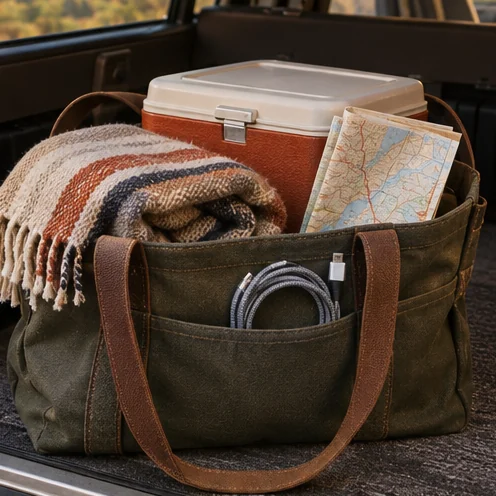
Before a hot-weather trip, test the air conditioning, check cold tire pressure and plan stops with shade and reliable water. Carry more water than your original itinerary calls for and leave extra time for a traffic delay. Never leave a child alone in a parked vehicle, even for a quick errand.
Do the driveway checks before temperatures rise
Start with the systems that make summer miles harder: air conditioning, cooling, tires and the battery. Test the A/C under normal driving conditions a few days ahead so a problem can be addressed before departure. Consult the owner’s manual for coolant type and safe checks, and never remove a pressurized coolant cap while the engine is hot. If you notice leaks, an unreliable starting sound or coolant warning lights, schedule service before the long drive.
Build stops around people and conditions
Plot service stops before a stretch with no reliable fuel, charging or shade. A coastal town or desert park can have fewer open services than its map suggests. Confirm operating hours. Carry water in the cabin where a passenger can reach it, and reserve a little beyond the planned stops. Pack a shaded-break option for pets and people, and check local alerts if temperatures will be especially high where you plan to stop.
Use a back-seat routine
When transporting children, check the rear seat every time you park before you lock the doors. Keep everyday cues consistent, especially when someone else takes the usual drop-off trip. Ask the child care provider about check-in procedures if you are late. Shade or a cracked window is no substitute for taking children and pets out of a parked vehicle. If you see a child who appears to be in distress inside a vehicle, call 911.
Have a plan for a warning light or breakdown
If a temperature warning appears, get out of traffic as safely as possible and follow your manual or seek help. Avoid opening a hot coolant system or waiting in a dangerous traffic area. Give your direction of travel and nearest exit when calling for assistance. In a larger group, assign one person to the phone and another to keep passengers accounted for while following responder instructions.
Frequently asked questions
What time of day is best for a desert drive?
An early departure can avoid the hottest hours, but a driver who hasn’t slept is another risk. Plan using local forecasts, services, road conditions and a realistic sleep schedule.
Are warm tire readings useful?
They can reveal a visibly low tire that needs immediate attention. For regular adjustments, use a cold reading and the vehicle placard.
Reference: NHTSA summer driving guidance