Driving in Heavy Rain: When to Slow Down, Stop, or Turn Around
Use low beams and more space in heavy rain. Know when to pull safely off the road and when to turn back at floodwater.
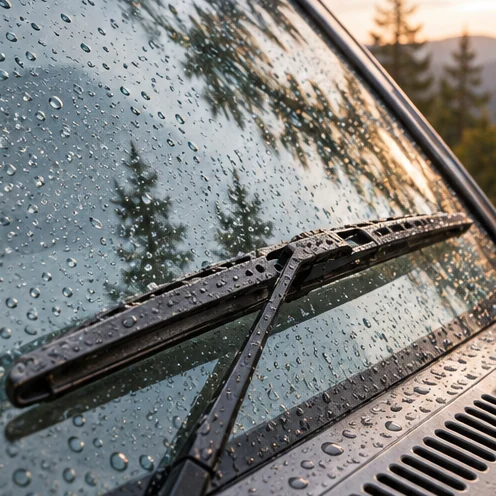
In heavy rain, turn on low beams, slow down before visibility disappears and leave more distance. If you can no longer see enough road to stop safely, leave the roadway for a safe parking area. Turn around at flooded roads and respect barricades. Even a familiar street can be washed out below the surface.
Check alerts and identify places to stop
Look at the weather alerts along your route before leaving. A smoother alternate route may be preferable to a shortcut that runs beside a river or through a low-water crossing. Decide in advance where you could pause if rain arrives early. If the route involves a flash flood warning or visibility is badly reduced, waiting can be the practical choice. Let a passenger check updates if you are already driving.
Reduce speed while you can still see
Use low beams, clear the windshield with wipers and defogging, and give yourself room to change speed gently. Avoid cruise control in slippery conditions. If steering suddenly feels light on a wet road, ease off the accelerator and avoid abrupt steering or braking while traction returns. Be careful around standing water after rain. Lane-depth water and runoff can look shallower than they are, especially at night.
Separate poor visibility from flooding
For poor visibility, find an open service area, parking lot or another safe location out of traffic. For a flooded road, stop short and take a known safe alternate only when authorities have confirmed it’s open. A higher vehicle is not permission to cross. Never go around barricades. If water is rising around an occupied vehicle, contact emergency services and follow their instructions, moving to higher ground if you can do it safely.
Check wipers and tires before the next storm
Test the wipers on wet glass. If a clean blade still skips or leaves a stripe through your view, check the fit and condition or replace it. Inspect tires for uneven tread and keep pressures at vehicle specifications. Pack an absorbent towel for clearing interior condensation while parked. Routine checks are easiest on a clear day at home, when you can see which controls and tools you’ll need.
Frequently asked questions
Should I pull over under an overpass?
Look for a safe, legal stopping place out of traffic. An overpass shoulder can leave you exposed to vehicles in low visibility.
Can I follow a larger vehicle through water?
No. Other drivers’ choices do not establish the depth, current or condition of the road surface. Turn around instead.
Reference: National Weather Service flood safety · National Weather Service rain and road safety · NHTSA summer driving guidance